Skip to content

Custom software built around how your business works.

When off-the-shelf tools almost fit, people fill the gaps with spreadsheets and workarounds. We build the CRM, internal tool, portal, or dashboard that fits how your team actually works, starting with one small release you can use.

Start a Build

A studio in Seattle, WA, working with businesses across the US. Fixed-scope builds, quoted per project. A person replies within 1 business day.
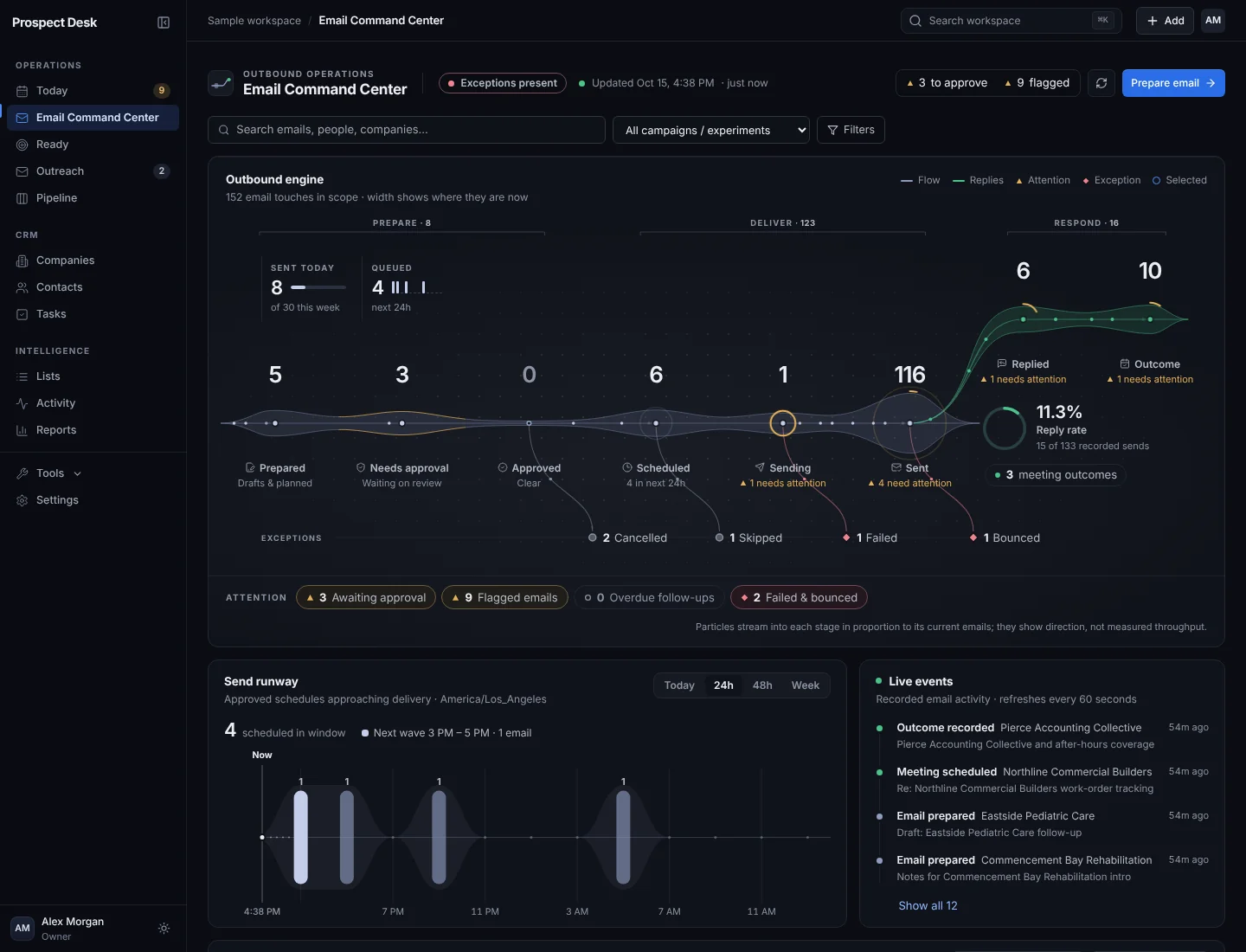
Prospect Desk
Prospect Desk email command center: every outreach email shown by stage, from prepared and awaiting approval to scheduled, sent, and replied
Prospect Desk, our own product, renamed for privacy. A sales system built around one process, shown with invented accounts.

What we build

Software that fits the business, not the other way around.

Custom CRMs
Accounts, contacts, pipelines, and follow-up built around how you actually sell
Internal tools
Intake, scheduling, approvals, and tracking, in one place instead of five
Customer portals
Customers submit, check status, and finish without emailing you
Dashboards and reporting
The numbers you check every morning, from the systems that hold them
Operational systems
Rules, queues, statuses, and handoffs your team can rely on
SaaS products
Software you sell, from the first release
Desktop utilities
Fast local tools for Windows and macOS that work without an account
Rebuilds and rescues
An existing system, or a prototype, made dependable enough to run a business on

A good fit when

  • A spreadsheet has quietly become the system everyone depends on.
  • You pay for a large tool and use a small corner of it.
  • The same details are typed into several systems by hand.
  • You need a record of who changed what, and when.

Probably not when

  • An off-the-shelf tool already does the job. Buy it. We will say so.
  • Nobody on your side owns the process the software is for.
  • You need it finished before anyone has had time to describe it.

Build, or buy?

Custom software is the right answer less often than agencies say. Here is how we tell, and we will tell you which side you are on.

Look atBuy off the shelf whenBuild when
The processBuy off the shelf when: It is the same as everyone else’s in your industry.Build when: It is part of what makes your business different.
The gapsBuy off the shelf when: Small, and a setting or an add-on closes them.Build when: Filled every day with spreadsheets, copy-paste, and workarounds.
The dataBuy off the shelf when: Fine living in the vendor’s shape.Build when: Needs its own rules, statuses, and history.
The costBuy off the shelf when: A few seats at a fair price.Build when: Per-seat pricing that grows faster than the value you get.

Proof

Software we designed, built, and run.

A sales system with an audit trail, an infrastructure workspace for technicians, and file delivery that survives a dropped connection. Each has its own page with real screens and the engineering decisions behind it.

Read our client case studies

These are Vlyntro’s own products, not client projects: we designed, built, and run them. Every screen is the real interface, with sample data where the real data is private.

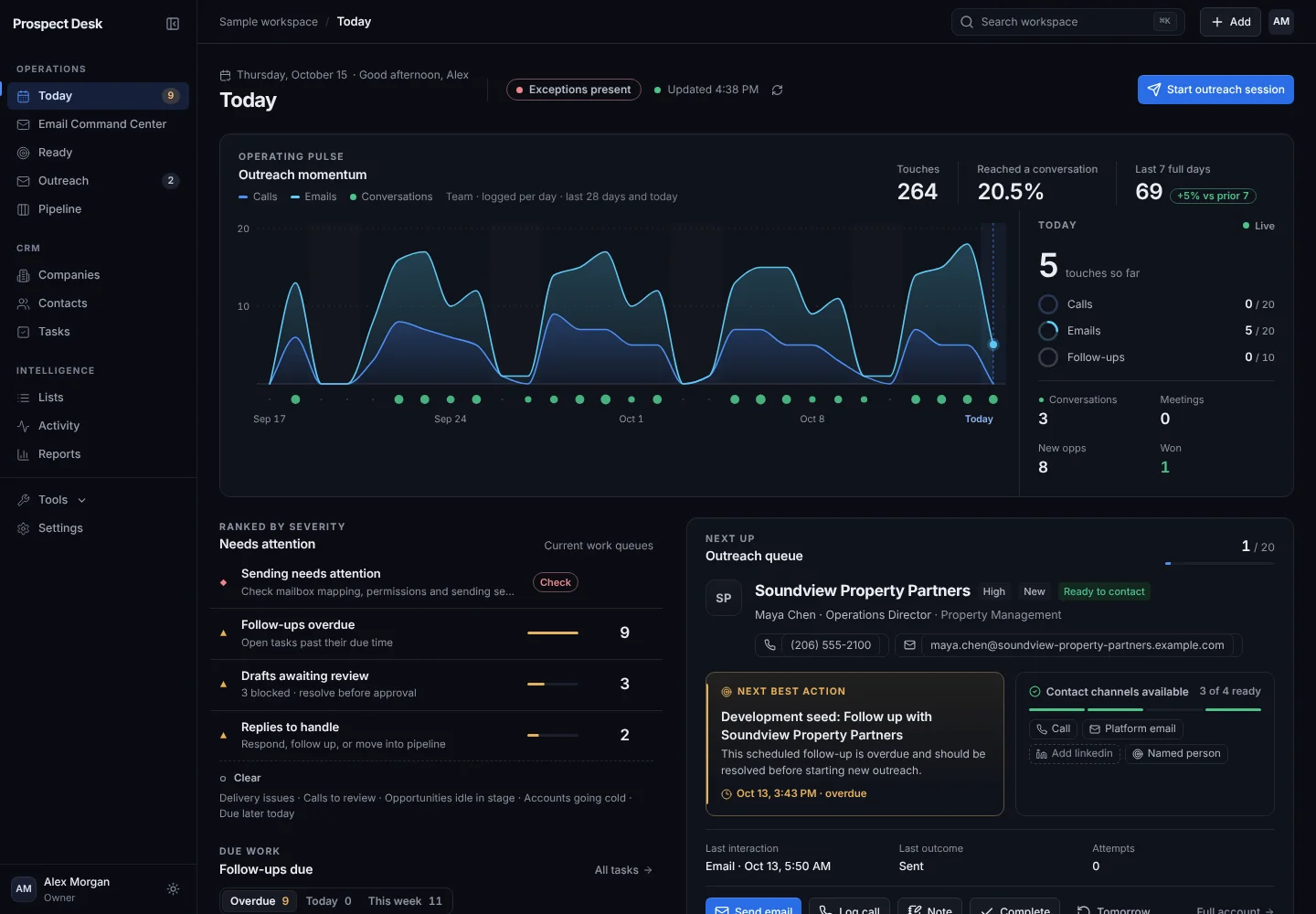
Prospect Desk Today view with four weeks of outreach momentum, work ranked by severity, and the next account in the outreach queue

A sales system that researches, drafts, and follows up, with a person approving what goes out.
Autonomous CRM. Web app, private product.

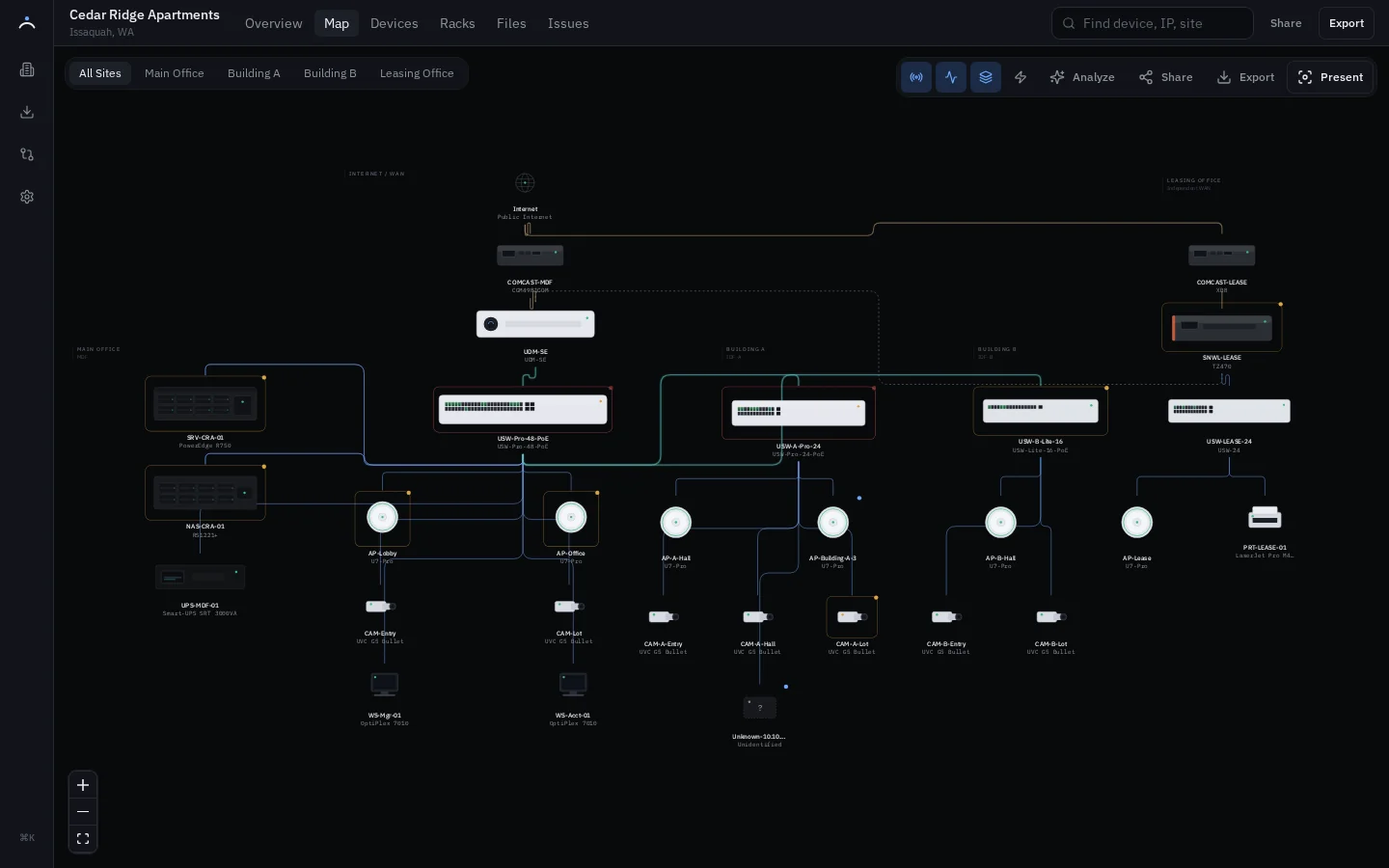
ArcAtlas Next topology canvas with gateways, switches, servers, access points, and endpoints

Turn a device list into an infrastructure map a technician can actually work from.
Infrastructure intelligence. Web app, private product.

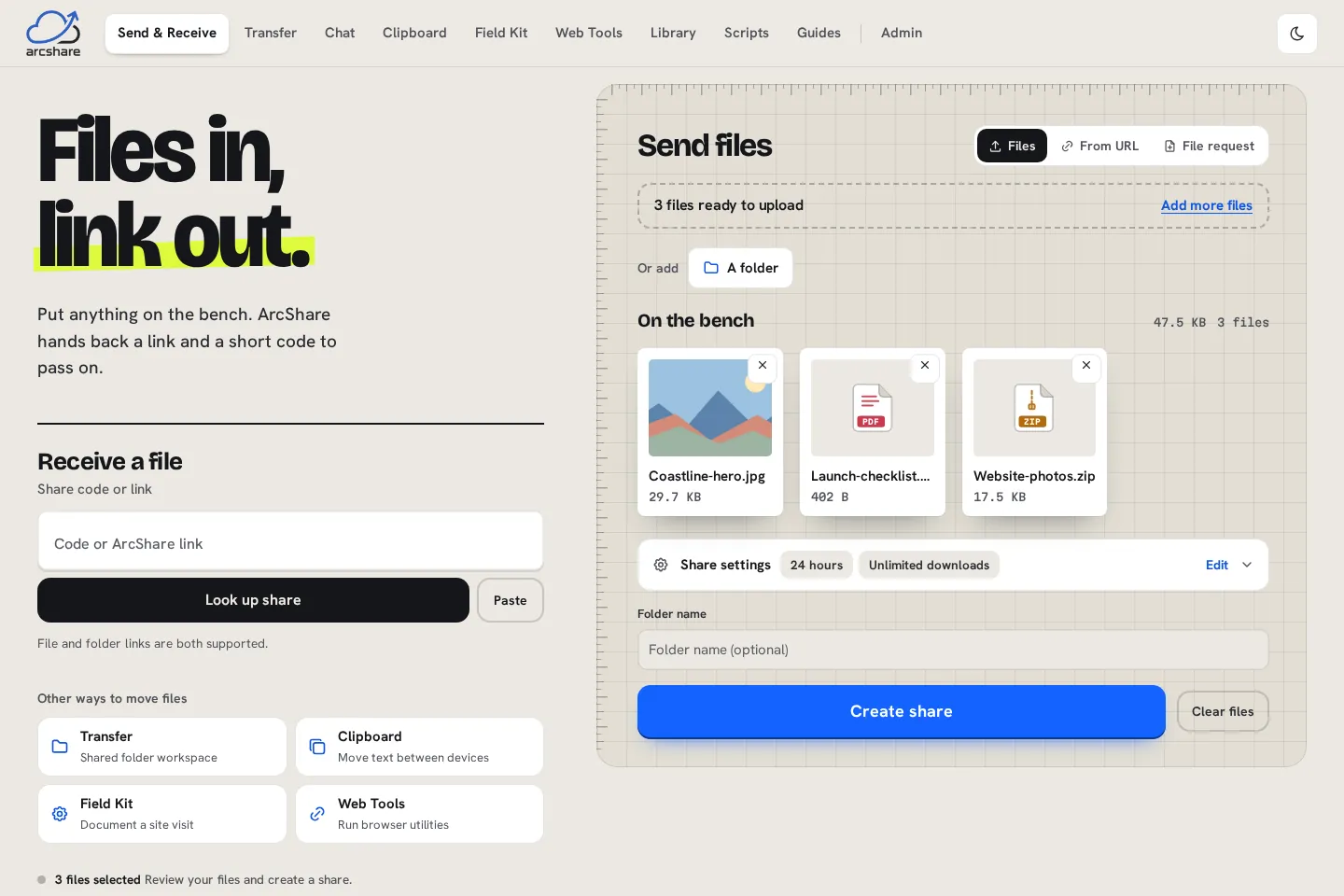
ArcShare Send files screen with a photo, a PDF and a ZIP on the bench, share settings for 24 hours and unlimited downloads, and a Create share button

Send very large files with a link or a short code, even when the connection drops.

Secure file delivery. Web app.

How we build it.

  • Start with the first useful release.

    You don’t need to plan two years of software. We agree on the smallest version that is useful, ship it, and let real use decide what comes next.

  • States that tell the truth.

    In ArcScan, present, missing, and unknown are three different answers. In ArcPatchCore, nothing is reported as patched until the new version is confirmed.

  • Permissions and a record from day one.

    ArcCard keeps a public card and private notes behind different permission boundaries. In Prospect Desk, every override of a rule is narrow and permanently logged.

  • Built with AI coding agents, reviewed by people.

    Agents speed up research, first drafts, and tests. A person sets the direction and decides what ships. That is how a small team covers this much ground.

How a software project goes.

  1. First

    Brief and intro call

    Plain words are fine. A person reads the brief and replies within 1 business day.

  2. Then

    A fixed-scope proposal

    The first release, what it includes, what it leaves out, and what it costs. Or a straight answer if it shouldn’t be built.

  3. Build

    Working software, early

    You see it running on real cases while there is still time to change direction.

  4. After launch

    Learn, then improve

    One fixed-scope build, or keep us on as an ongoing partner for what comes next.

Questions about custom software.

  • How much does custom software cost?

    Each project is quoted as a fixed scope after a short intro call. We have not published a price list because scope varies widely. The brief asks for a budget range, optionally, so we can size the first release to it or tell you early if it doesn’t fit.

  • How long does it take?

    It depends on the scope and on how quickly decisions and access arrive from your side. We keep the first release deliberately small so it reaches real use sooner, and the proposal gives the timeline.

  • Should we buy a CRM or have one built?

    Buy when your sales process looks like everyone else’s and the tool fits with settings alone. Build when your process is the advantage and the tool fights it at every step. Often the right answer is to keep the CRM and add what is missing beside it.

    Adding AI to the software you already run

  • Can you take over software someone else built, or a prototype?

    Yes. We keep what works, fix what doesn’t, and add what a quick build skips: real data handling, accounts and permissions, tests, monitoring, and a deployment you can repeat.

    From prototype to production

  • Do you build mobile apps?

    We build web apps that install on a phone, such as ArcCard, and desktop apps for Windows and macOS. Our public portfolio does not include a native app-store app. Tell us what you need and we will say honestly whether we are the right team for it.

  • Is AI part of every build?

    No. We use AI coding agents to build faster, but a product only gets AI inside it where it earns its place. Several of our own products have none, on purpose.

    How we build with AI coding agents

Which spreadsheet should have been software?

Tell us what your team does in it every day. We’ll shape the first useful release, and build it properly.

The brief asks three things

  1. What should exist?
  2. Who will use it?
  3. What’s painful about how it works today?

Ask Vlyntro

Tell us what you’re trying to build or automate.

Hi! Tell me what you’re trying to build or automate. Rough is fine. I’ll ask a question or two and help you shape a sensible first release.

Enter to send · Shift+Enter for a new line0/5,000 characters

AI replies can be wrong. Please don’t share passwords or confidential details.